


Dr. med. Matthias Schmied (Specialist FMH for Orthopaedic Surgery)
nSTRIDE® Protein Therapy for Knee Osteoarthritis
nSTRIDE® Protein Therapy (Autologous Protein Solution – APS) is a modern, autologous injection treatment for symptoms associated with knee osteoarthritis.
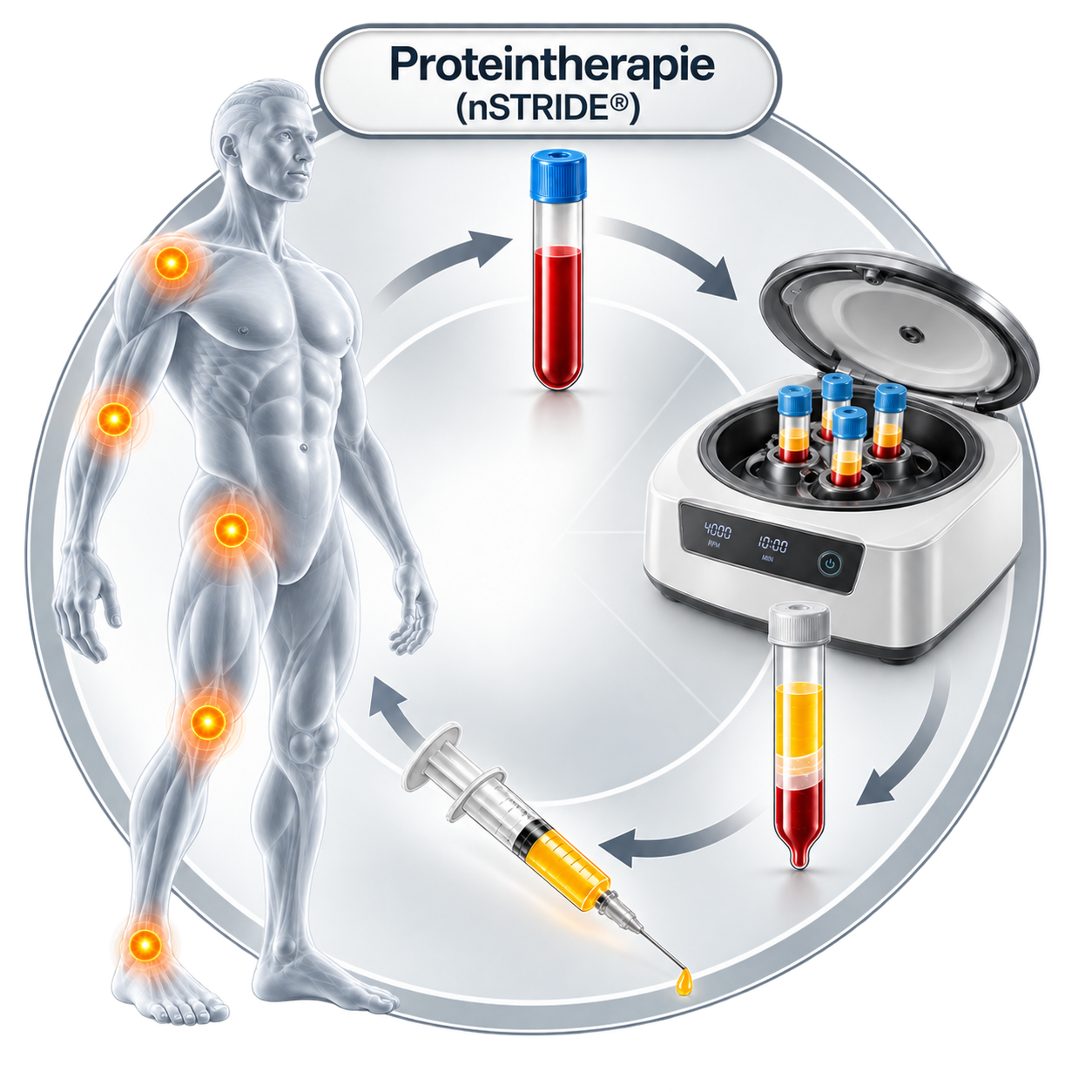
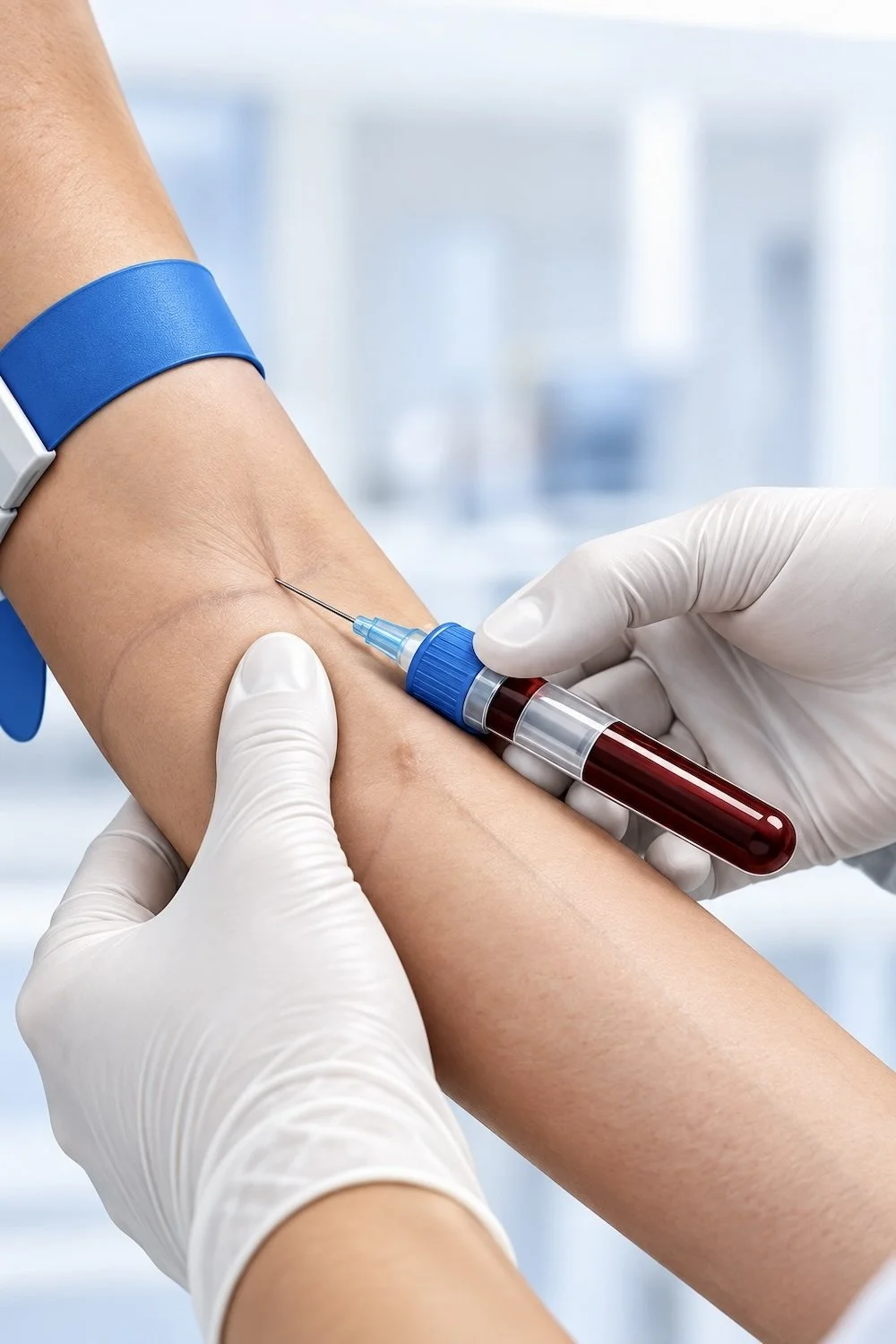
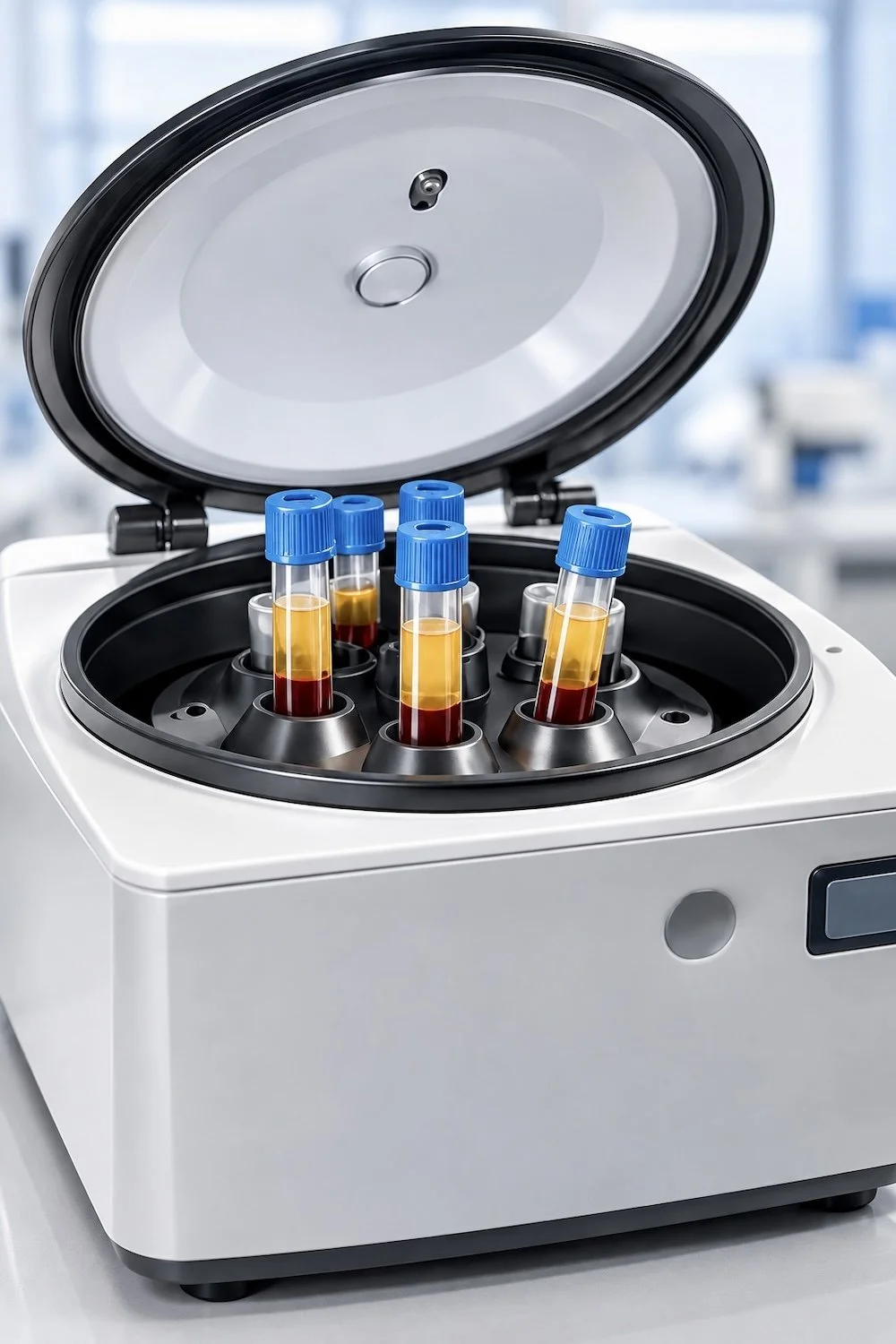
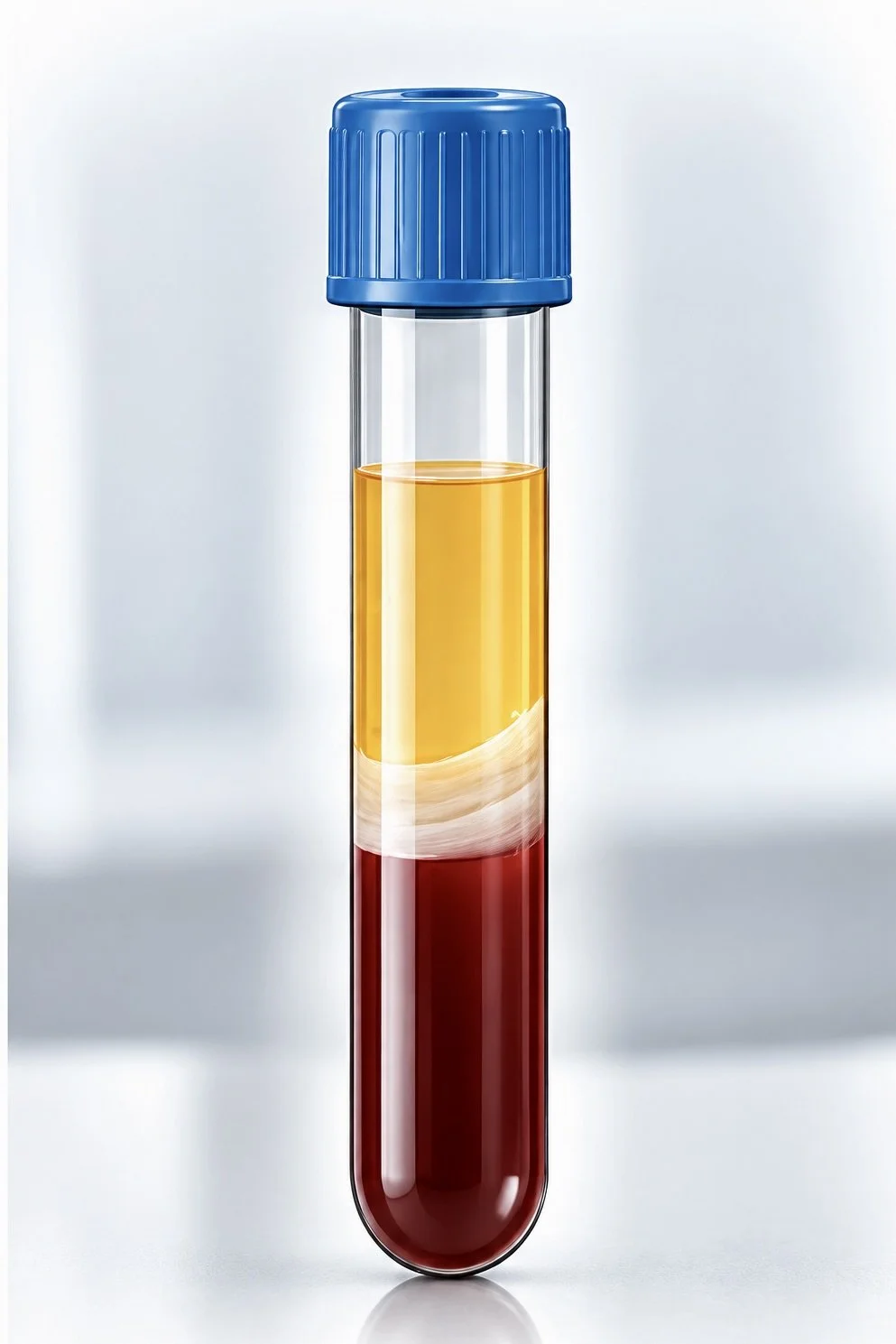
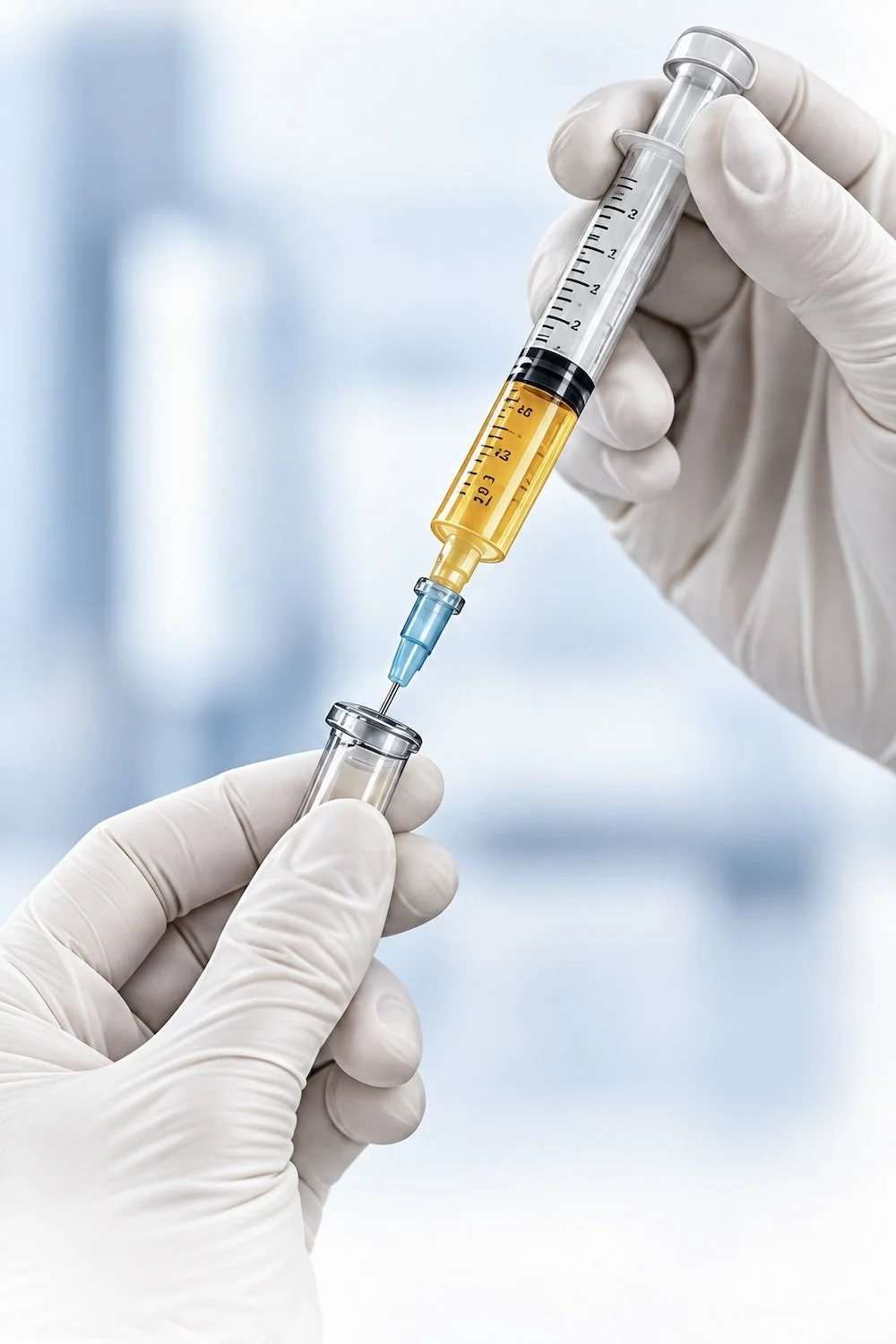
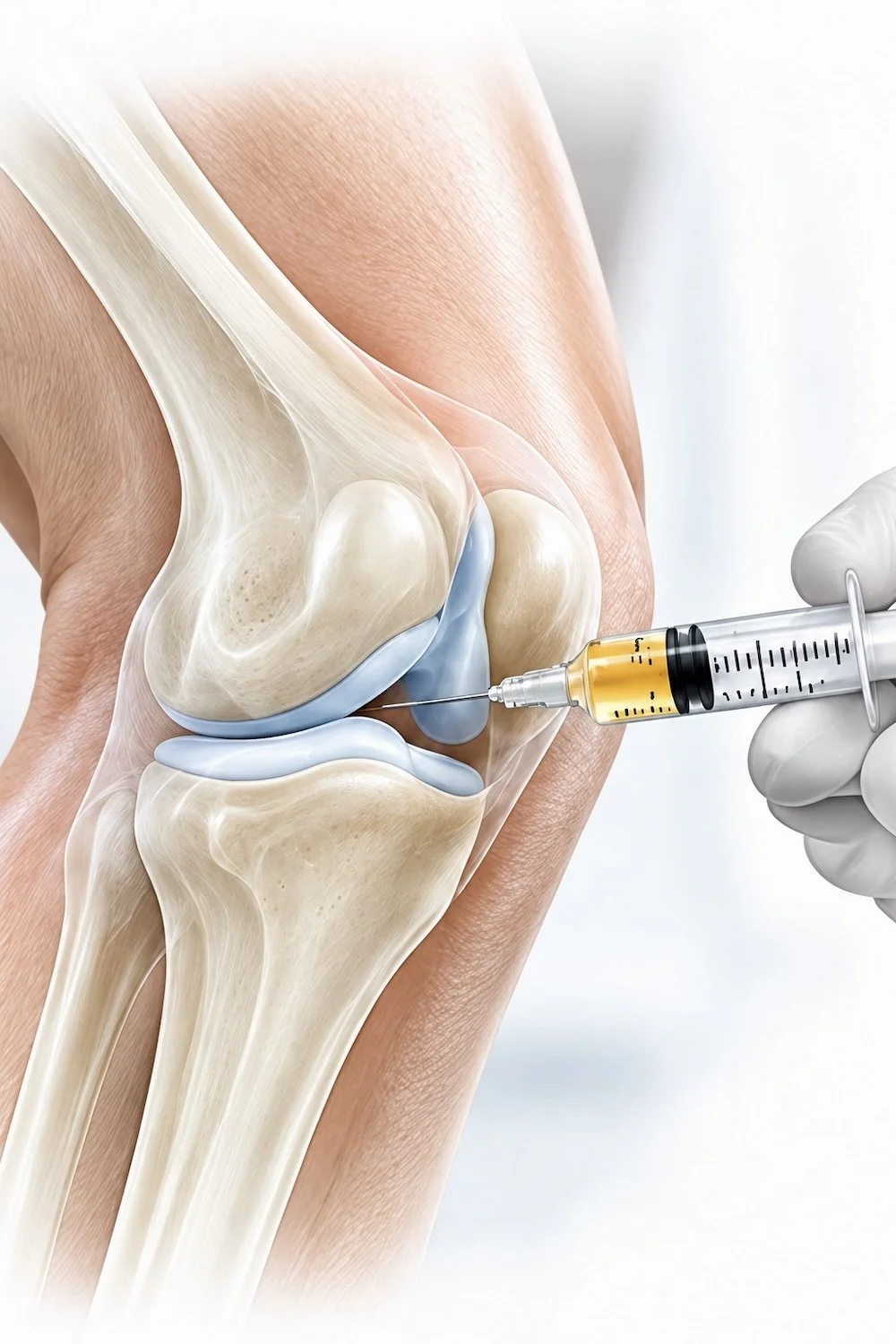
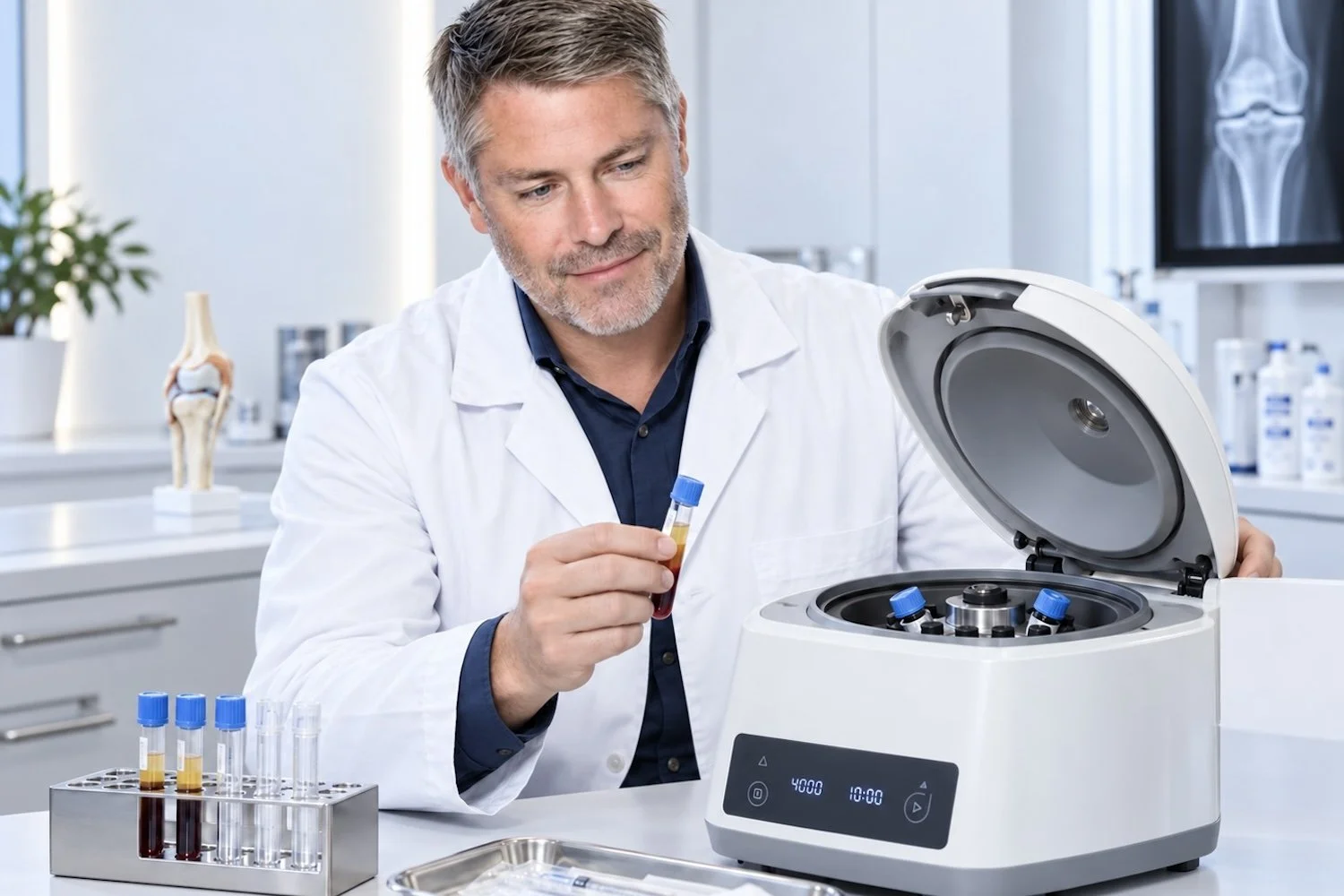
In this procedure, a small amount of blood is drawn from the patient and processed using a special method. Proteins and other biological components from the patient’s own blood are concentrated. These are then injected directly into the affected knee joint.
The goal of treatment is to positively influence inflammatory processes in the joint, reduce pain, and improve joint function.


When might nSTRIDE® therapy be appropriate?
Since the treatment is based on components of the patient's own blood, it is a form of autologous therapy.
This treatment may be an option, particularly for patients with symptomatic knee osteoarthritis, such as those with:
exercise-induced knee pain
Pain from Knee Osteoarthritis
early to moderate stages of osteoarthritis
recurrent inflammatory symptoms in the knee joint
limited mobility
Symptoms that persist despite conservative treatment
Protein Therapy: Treatment Process
Schedule a consultation on protein therapy with Dr. Schmied
nSTRIDE® as a Possible Alternative Before Knee Surgery
Treatment options can be discussed if surgery is not currently necessary, is not desired, or should be postponed as long as possible. Not every case of knee osteoarthritis requires immediate surgery.
Various conservative and regenerative treatment options are available, particularly in the early and middle stages. In addition to physical therapy, targeted muscle-building exercises, medications, and traditional injection therapies, nSTRIDE® protein therapy can also be part of a personalized treatment plan.
The goal is not to replace a necessary knee surgery as a matter of principle, but to treat symptoms as effectively as possible and to delay surgery—provided it is medically appropriate.
How does nSTRIDE® work?
In osteoarthritis, pro-inflammatory messengers can play an important role in pain and joint discomfort.
nSTRIDE® concentrates the body's own proteins from the blood, which can counteract these inflammatory processes. At the same time, the processed solution contains other biological factors that can support the joint environment.
The treatment usually involves just a few steps:
Blood draw
Processing and Concentration of the Body's Own Proteins
Injection into the affected knee joint


STRIDE®, ACP, or PRP—which treatment is right for you?
Various injection therapies using the body's own substances are available for the treatment of joint pain.
In ACP and PRP therapy, the focus is specifically on the concentration of platelets and growth factors.
With nSTRIDE®, certain proteins produced naturally by the body that can influence inflammatory processes in the joint are also concentrated.
The most appropriate treatment for each individual case depends primarily on the stage of osteoarthritis, the patient’s symptoms, previous treatments, and the patient’s personal needs.
Important Information After Treatment
After the injection, you may experience temporary pain, a feeling of tightness, or mild stiffness in the knee.
During the first few days, avoid putting excessive strain on the knee. Resume athletic activities and more strenuous exercise in accordance with the individual recommendations of your treating physician.
nSTRIDE® therapy cannot cure existing osteoarthritis. Rather, its goal is to reduce pain and inflammatory symptoms and to preserve knee function for as long as possible.
What are the benefits of protein therapy?
Since the treatment is based on components of the patient's own blood, it is a form of autologous therapy.
The goal of treatment is:
Relieving Knee Pain
to reduce inflammatory processes in the joint
to improve joint function
to support flexibility and resilience
to improve quality of life in daily life and during physical activity
Depending on the findings, even a single treatment may be sufficient. The effectiveness and duration of the treatment’s success may vary from person to person.